Subtotal $0.00




Email : 0
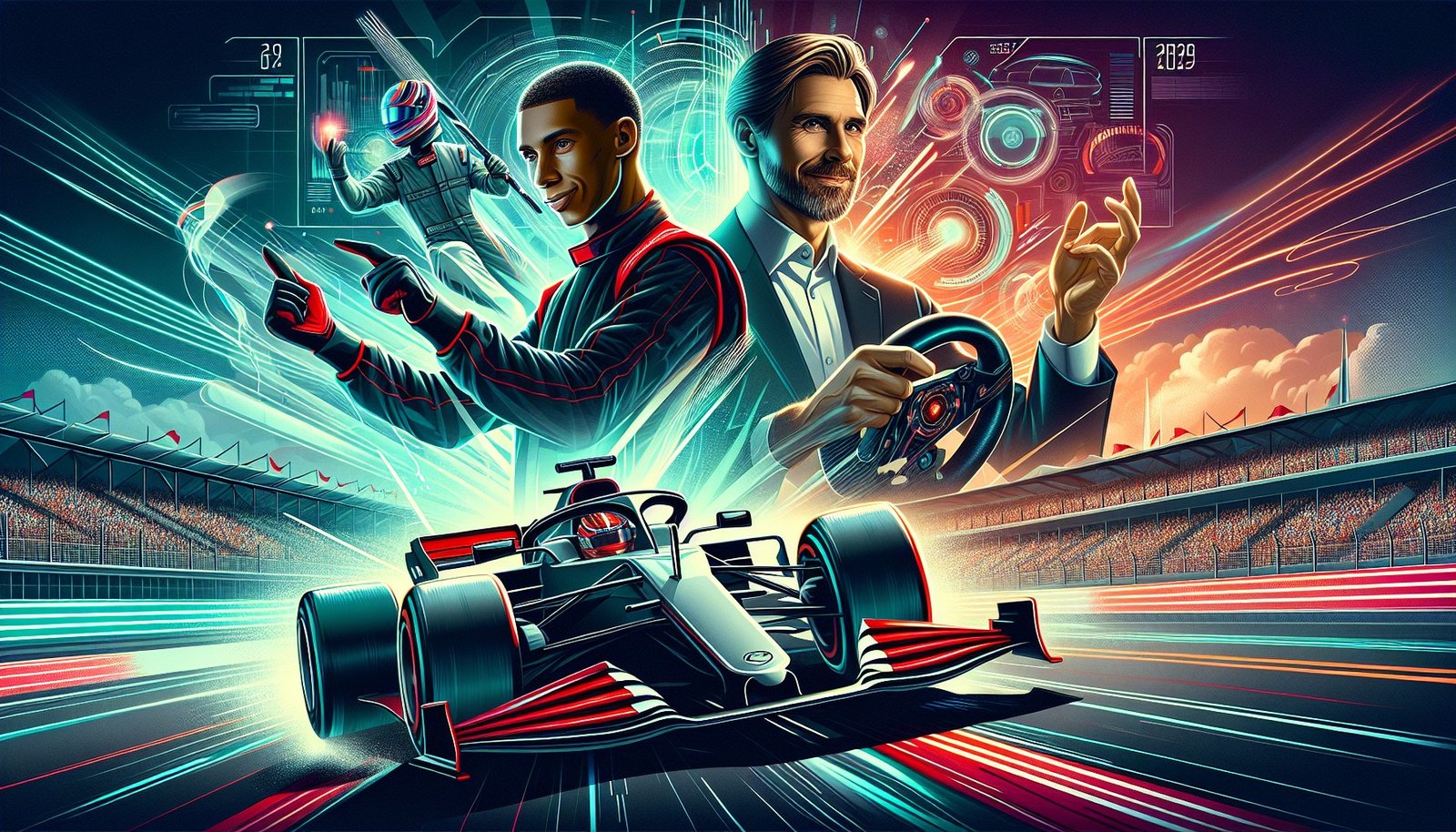
Lewis Hamilton and Max Verstappen: Race to 2026 Rules Lewis Hamilton’s Plan. The 2026 F1 regulations mark one of the most sweeping changes in the history of the sport: it represents not only the redefinition of car design but also, fundamentally redefining the nature of racing itself. Sitting between the two of the sport’s biggest figures on the podium are its core people—Lewis Hamilton and Max Verstappen, whose divergent viewpoints have served to spotlight a wider ideological fault line at the heart of the contention over what Formula 1 really should be.
The 2026 Rule Revolution. The new rules introduce smaller, lighter cars, with redesigned aerodynamics and an overhaul of power units. Of particular note is that engines rely now nearly 50/50 on internal combustion power and electric, powered by fully sustainable fuels. The mission of this shift is to make F1 a more environmentally sustainable, more tech-savvy racing entity. But it also emphasizes energy management hugely—drivers must manage properly battery deployment, regeneration, and race pace, not just race like they’re sprinting straight and running! Lewis Hamilton: An Adaptive Approach. Lewis Hamilton has been fairly supportive to this new era, believing it to be an opportunity to redesign the way racing is conducted. While he first warned that the rules were “ridiculously complex,” he has also conceded that complying with them is part of the DNA of Formula 1. Hamilton’s view comes from a long-term viewpoint: the F1 model must adapt to global demands around sustainability and innovation. He might even go so far as to describe some races under the new rules as some of the most interesting of his career’s rivals, underlining that strategic complexity can actually amplify rather than weaken the pressure to compete.
For Hamilton, the question is not one of failing, but of how elite motorsport really operates. Mastering the operation and implementation of power and software systems and the technology used to create hybrid technology, becomes a whole new dimension of driver skill. Max Verstappen: “Anti-Racing” Issues? Max Verstappen, by contrast, has become the most outspoken critic of the regulations of 2026. He has used a refrain to describe the new format as “anti-racing” and compares it to “Formula E on steroids.”
Verstappen’s critique is that we have lost a kind of instinctive, purer driving. With an obsession with saving energy, drivers routinely find they can’t push endlessly, creating what he describes as a kind of artificial racing. He’s gone farther, cautioning that such trends risk changing what the sport is and arguing that fans who embrace the new format “don’t understand racing.”
For Verstappen, Formula 1 should stay the world’s ultimate in raw speed and driver instinct, but not a discipline dominated by battery management and software, he said. A Philosophical Divide. The dispute between Hamilton and Verstappen is not only one over technical rules — it is one over the soul of Formula 1.
Hamilton symbolizes flexibility and technological innovation; this reflects Hamilton, along with F1’s move toward a global focus on sustainability and technology, a way off-track commitment to sustainability and evolution. Verstappen, however, is in defense of the standard racing mindset — the traditional ethos of racing: maximum attack, minimal interference: the highest-impact race. Tension has been a theme of broader societal and technological strain in this sport.
Engineers and governing bodies favor efficiency and future relevance, and drivers and fans have longed for a kind of visceral, wheel-to-wheel racing. Conclusion. The 2026 regulations are more than just a new wave of cars — they’ve opened up a new debate over Formula 1’s future. Lewis Hamilton finds opportunity in evolution: He believes that complexity is a new frontier of skill.
Max Verstappen sees risk and warns that the sport may yet be drifting off from our core identity. Ultimately, this new era will be decided on the day or two of the future with respect to whether or not Formula 1 can achieve the perfect combination of innovation and pure race mode. Combining both will determine its success at this very new age.